
You read that right.
90% of self-published books sell fewer than 100 copies, and nearly 20% of self-published authors report making no income at all from their books. For many writers, especially debut authors, those numbers feel discouraging and are sometimes enough to make them question whether publishing independently is even worth it.
But those outcomes aren’t usually the result of bad storytelling.
In most cases, books struggle because they’re launched without the right foundation.
The good news? There are very real, very practical steps you can take that dramatically increase its chances of being discovered before your book ever goes up for pre-order.
Publishing independently is not a shortcut; it’s an investment of time, money, and sustained effort. But when done thoughtfully, it can also be a powerful way to build momentum, credibility, and a long-term writing career.
This super huge self-publishing guide—full of things we’ve personally experienced through trial and error—is for indie and self-published authors who want to approach publishing strategically.
1. Start Talking About You Book Earlier than Feels Comfortable

One of the biggest mistakes self-published authors make is waiting until their book is finished—or worse, already published—before they start talking about it. By that point, you’re trying to manufacture momentum while under pressure.
Discoverability doesn’t start the day your book launches. It starts while you’re still writing.
Talking about your book early lets people know that the work is happening. That a story is being shaped. That you, as an author, are showing up consistently and inviting readers into the process.
Early visibility matters because momentum is cumulative. The more frequently your book appears in conversations, posts, updates, and shared content, the more familiar it becomes, and familiarity lowers resistance. By the time your book becomes available, it’s something people already recognize.
Document the Journey, Not the Product
You don’t need a finished cover, a final title, or a publication date to begin. What you do have is a process worth sharing.
You can talk about:
- What inspired the story
- Themes you’re exploring
- The emotional challenges of writing it
- Characters you’re excited about (without revealing plot twists)
- What you’re learning as a writer along the way
People connect to stories before they connect to books. When readers feel invested in the journey, they’re far more likely to care about the outcome.
Consistency Over Comfort
Posting regularly can feel exhausting, especially when you’d rather be writing. But if you choose the self-publishing route, marketing a self-published book isn’t optional. It’s part of the job.
That doesn’t mean every post has to be promotional. In fact, most of them shouldn’t be. Talking about your book without selling it is one of the most effective ways to build long-term interest. You’re not asking for anything yet. You’re simply creating presence.
Self-publishing offers creative freedom and control, but it also requires you to take responsibility for visibility. You can’t skip this step because it feels uncomfortable.
The authors whose books gain traction are the ones who start early, show up consistently, and allow momentum to build naturally over time.
2. Set Your Foundation Before Publishing

Finishing your manuscript is a major milestone and deserves to be celebrated. But it’s also the moment where many self-published authors treat a finished draft as a finished book.
A completed manuscript is the starting point of publishing, not the finish line.
Before you upload anything, open pre-orders, or announce a release date, you need to shift your mindset from “writer” to “publisher.” That means making smart, strategic decisions that will affect how far your book can realistically travel.
Finished Manuscripts Aren’t Always Ready
It’s tempting to move quickly once the last chapter is written, especially if you’ve been sitting with the story for months or years. But rushing into publication often leads to inadequate editing, poor distribution choices, or launching without the assets you’ll need to support reviews, bookstores, and long-term visibility.
It’s important to lay the groundwork for reviews, bookstore outreach, blog tours, and discoverability. When this foundation is rushed or incomplete, even strong marketing efforts later on struggle to gain traction.
Decide How You’re Publishing (and Why)
Before you do anything else, be clear about the path you’re taking.
Some authors arrive at self-publishing intentionally. Others land there after getting 70 query rejections in Query Tracker. Both paths are valid, but self-publishing works best when it’s a strategic choice, rather than a last resort.
Publishing independently means:
- You control your timeline
- You own your rights
- You make decisions traditional publishers normally handle
- You invest in the success from your own pocket
It also means you’re responsible for quality, distribution, and visibility. Recognizing that reality early helps you plan realistically, both financially and emotionally, for what comes next.
Think Like a Publisher Early
This is the stage where you pause and ask questions like:
- How widely do I want this book distributed?
- What formats will I offer, and when?
- What standards do I want this book to meet before reviewers and booksellers see it?
- Should I have this translated in various languages?
- How much am I willing to invest financially in this book’s success?
- What investments are non-negotiable?
Authors who give their books the best chance of success resist the urge to rush. They understand that every decision made here, before a single listing goes live, either supports or limits their book’s future reach.
3. Where You Buy Your ISBN Matters A Lot
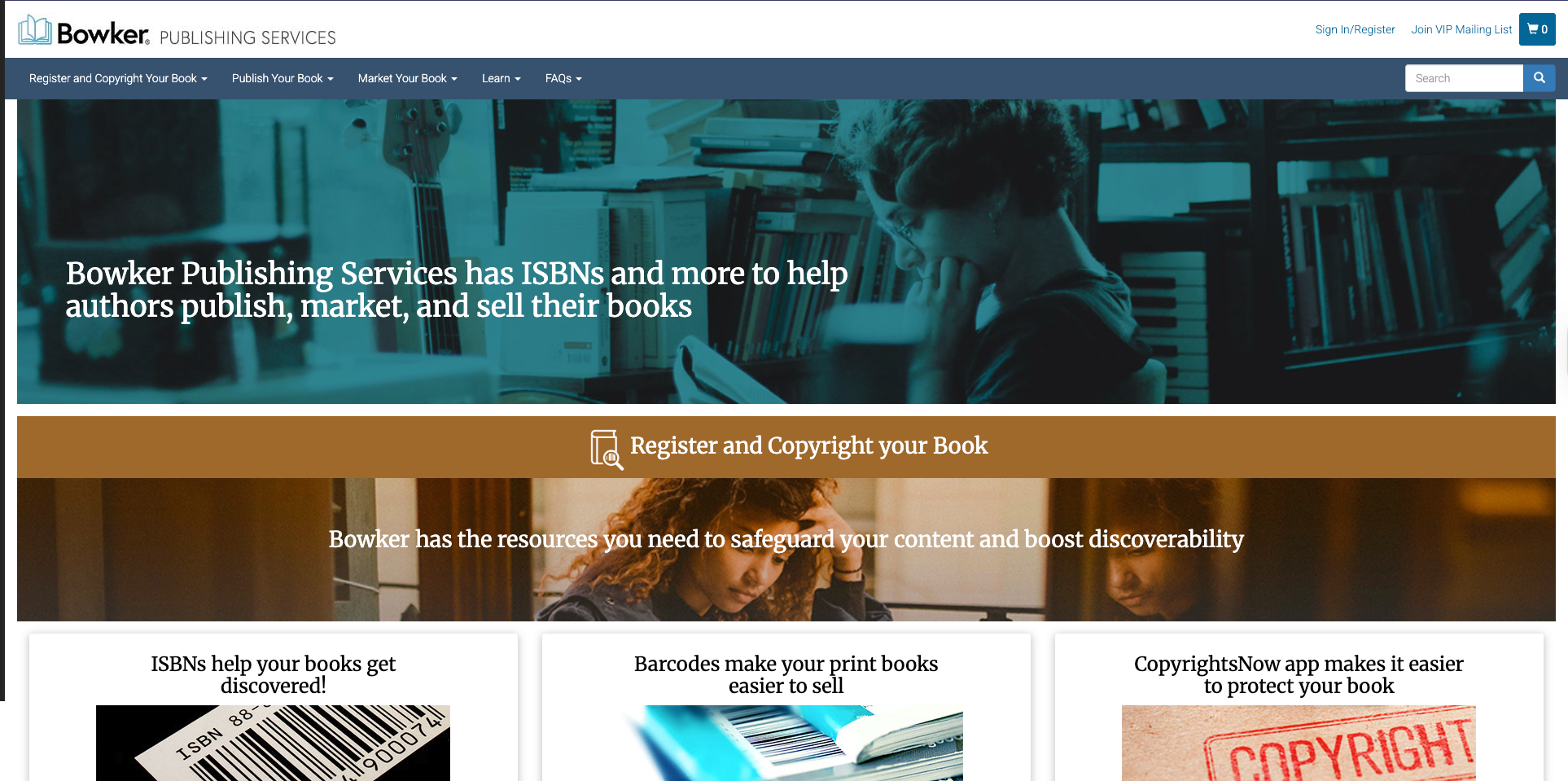
One of the earliest, and most important, decisions you’ll make as a self-published author is how you obtain your ISBNs. It’s also one of the most misunderstood steps in the entire publishing process.
An ISBN is how your book is identified, tracked, and recognized across the publishing ecosystem. Who issues that ISBN determines where your book can go, and how seriously it’s taken.
Why You Should Buy Your Own ISBNs from Bowker
While platforms like Amazon and Barnes & Noble offer “free” ISBNs, those ISBNs are tied exclusively to their platforms.
That means your book is effectively locked into a single ecosystem. It limits where your book can be distributed and how it appears in databases used by bookstores, libraries, and search engines.
When you purchase your ISBNs directly through Bowker—the industry standard for ISBN registration in the U.S.—you retain full ownership and control. Your book is then recognized across major retailers, library systems, and global book databases, including Amazon, Barnes & Noble, Google, and beyond.
This single choice affects:
- Distribution reach
- Discoverability on search engines
- How bookstores and libraries perceive your book
- Your ability to move between platforms without restrictions
Platform Convenience vs. Long-Term Reach
Free ISBNs are appealing, especially when you’re trying to manage costs. But convenience now often means limitations later.
If your goal is wide distribution, bookstore placement, library access, or long-term credibility as an indie author, owning your ISBNs is non-negotiable.
Without the proper infrastructure, everything built on top of your book becomes more fragile.
Making this decision early ensures your book isn’t quietly boxed into a corner of the market before it ever has a chance to grow.
4. Publish Through IngramSpark to Maximize Reach
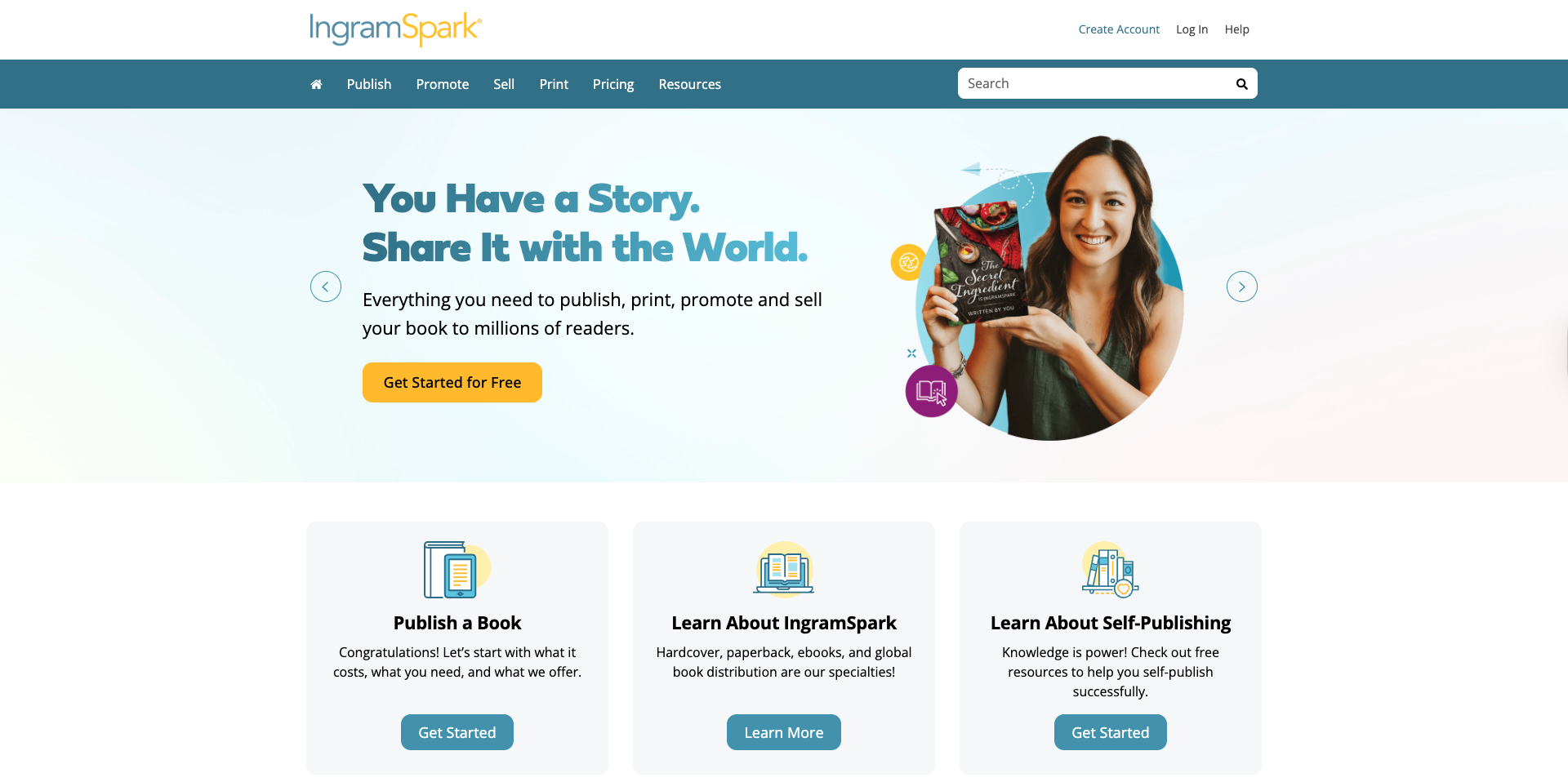
If you are serious about giving your self-published book the widest possible reach, IngramSpark should be your primary publishing platform.
IngramSpark is one of the largest book distribution networks in the world, and it’s the system many bookstores, libraries, and major retailers already rely on to discover, order, and stock books.
For indie authors who want their book to exist in the broader publishing ecosystem and beyond a single storefront, IngramSpark is essential.
What IngramSpark Makes Possible
Publishing through IngramSpark allows your book to be:
- Available to independent bookstores nationwide
- Orderable by libraries and library systems
- Listed with major book retailers and online sellers
- Distributed across multiple sales channels using one centralized system
Basically, it does a lot of the painful distribution work for you.
This level of access is difficult, if not impossible, to achieve through platform-specific publishing like Amazon or Barnes & Noble Press. Many bookstores simply won’t order titles that aren’t available through IngramSpark’s catalog because it adds friction to their existing workflows.
Format Options and Professional Infrastructure
IngramSpark also allows print-on-demand options. While their hardcover customization options are limited, printing paperbacks and hardcovers is much more of a breeze than printing through Amazon or Barnes & Noble Press.
IngramSpark supports:
- Paperback editions
- Hardcover editions
- Ebooks
While audiobooks require a separate distribution strategy, IngramSpark covers the formats most bookstores and libraries expect. Just as importantly, it provides professional-grade metadata management, which is how your book is categorized, priced, and discovered across systems.
This infrastructure influences how easily your book is found, how it’s displayed in databases, and whether booksellers see it as a viable title to carry.
IMPORTANT! List on IngramSpark First and Amazon Second
Because IngramSpark serves as a central distribution hub, it’s best to treat it as the foundation of your publishing strategy. Listing your book in IngramSpark first ensures consistent metadata and distribution across channels.
This is especially important if you also plan to publish the ebook through Amazon.
Amazon’s KDP ebook system does not always sync cleanly with IngramSpark when listings are created out of order. Authors frequently run into duplicated listings, delayed availability, or mismatched metadata that can take weeks, or even months, to resolve.
Listing your book on IngramSpark first helps avoid these issues by creating a stable, authoritative record that other platforms can align with later. While Amazon remains an important sales channel, it should be layered on after your IngramSpark listing and not used as the starting point.
Upload Your Book to IngramSpark Even While You’re Editing
It’s routine practice for traditional publishers to upload a book’s cover, metadata, and even preliminary manuscript files while the book is still in the editing phase. Indie authors can, and should, take the same approach.
When publishing through IngramSpark, set your publication date and upload your cover art and manuscript files as soon as they’re available, even if final edits are still underway. Doing this early establishes your book in distribution systems long before launch.
Why this matters:
- It builds early momentum and visibility for your book
- Listings can take weeks to fully propagate across marketplaces, including Amazon
- Uploading early allows your pre-order links to become available sooner
This early setup helps ensure your book is discoverable when readers, reviewers, and booksellers begin looking for it, rather than scrambling to catch up after launch.
Think Beyond One Platform
Publishing through IngramSpark ensures your book isn’t confined to a single ecosystem before it has the chance to grow.
When you publish through IngramSpark, you’re making it easier for bookstores, librarians, reviewers, and readers to say yes. You’re positioning your book to move through the same channels that influence discoverability, recommendations, and long-term success—rather than relying on a single platform to do all the work for you.
5. Skipping Edits is Not an Option (Even if You’re a Great Writer)

One of the fastest ways to derail the success of a self-published book is to cut corners on editing. It’s also one of the most common mistakes indie authors make, often out of budget concerns, misplaced confidence, or the belief that software tools can replace human editors.
Just an FYI, they can’t. And also, please don’t feed your manuscript to AI for editing. It further trains their models and steals your work.
Editing makes sure your book is readable, engaging, coherent, and worthy of recommendation by reviewers, booksellers, and readers who don’t know you personally.
Why Indie Books Are Judged More Harshly
Self-published books are often held to a higher level of scrutiny than traditionally published ones. Readers, reviewers, and booksellers expect mistakes and they notice them quickly. Plot holes, pacing issues, awkward phrasing, or repeated errors can immediately reduce trust, even if the story itself is strong.
You could be an exceptional writer, but if your book hasn’t been properly edited, it may still struggle to gain traction. In indie publishing, editing is part of how you establish credibility.
The Three Types of Editing Every Indie Book Needs
A polished book typically goes through three distinct editing stages, each serving a different purpose.
1. Developmental Editing
Developmental Editing focuses on story structure, pacing, character arcs, clarity, and overall flow. A developmental editor helps ensure your book is holding attention, building tension, and delivering a satisfying experience. Friends and early readers can struggle to be fully objective here, especially when they want to protect your feelings.
2. Line Editing
Line Editing comes after the developmental work is complete. This stage focuses on how the story is told, sentence by sentence. Line editors refine language, improve flow, remove unnecessary repetition, and tighten prose so the writing supports the story rather than distracting from it.
3. Proofreading
Proofreading is the final polish. Proofreaders catch small but critical errors like missing punctuation, formatting issues, duplicated lines, or inconsistent dialogue tags. This step happens after all other edits are complete and before your book is sent out for reviews, blog tours, or bookstore consideration.
Skipping any of these stages increases the risk that mistakes will be visible to the very people whose opinions matter most.
Editing Protects Your Momentum
Early reviews and bookstore outreach depend heavily on first impressions. If reviewers encounter frequent errors, they may be less inclined to recommend your book—regardless of how compelling the story is. That loss of momentum is difficult to recover from later.
Editing is an investment, not an indulgence. It protects your work, your reputation, and the time and energy you’ll spend promoting the book afterward.
6. Your Cover Art is A Sales Tool, Not Just Art
A book cover is one of the most powerful marketing assets your book will ever have. Before a reader reads your description, reviews, or even your title, they see the cover. In a matter of seconds, they decide whether your book looks credible, compelling, and worth their time.
First Impressions Happen Fast, and They’re Ruthless
Readers, reviewers, and booksellers can often spot an unprofessional cover immediately. Whether it’s poor typography, mismatched genre signals, low-quality illustration, or AI-generated imagery (yuck), these cues influence perception before a single page is read.
A strong cover communicates:
- Genre and tone at a glance
- Professionalism and production quality
- That the author understands the market they’re entering
If the cover doesn’t meet industry expectations, many people won’t click, won’t read the description, and won’t give the book a chance, regardless of how strong the writing is.
Why Professional Cover Design Matters
Traditional publishers invest heavily in cover design because they understand its role in sales. Indie authors need to approach cover design with the same mindset.
While DIY design tools and low-cost platforms like Canva may seem appealing, they often produce covers that unintentionally signal “amateur,” especially to booksellers and reviewers who see hundreds of titles each month. Now, if you’ve got a hidden design skill, by all means, go forth and prosper! If not, seriously consider hiring a cover art designer.
Choosing the Right Cover Artist
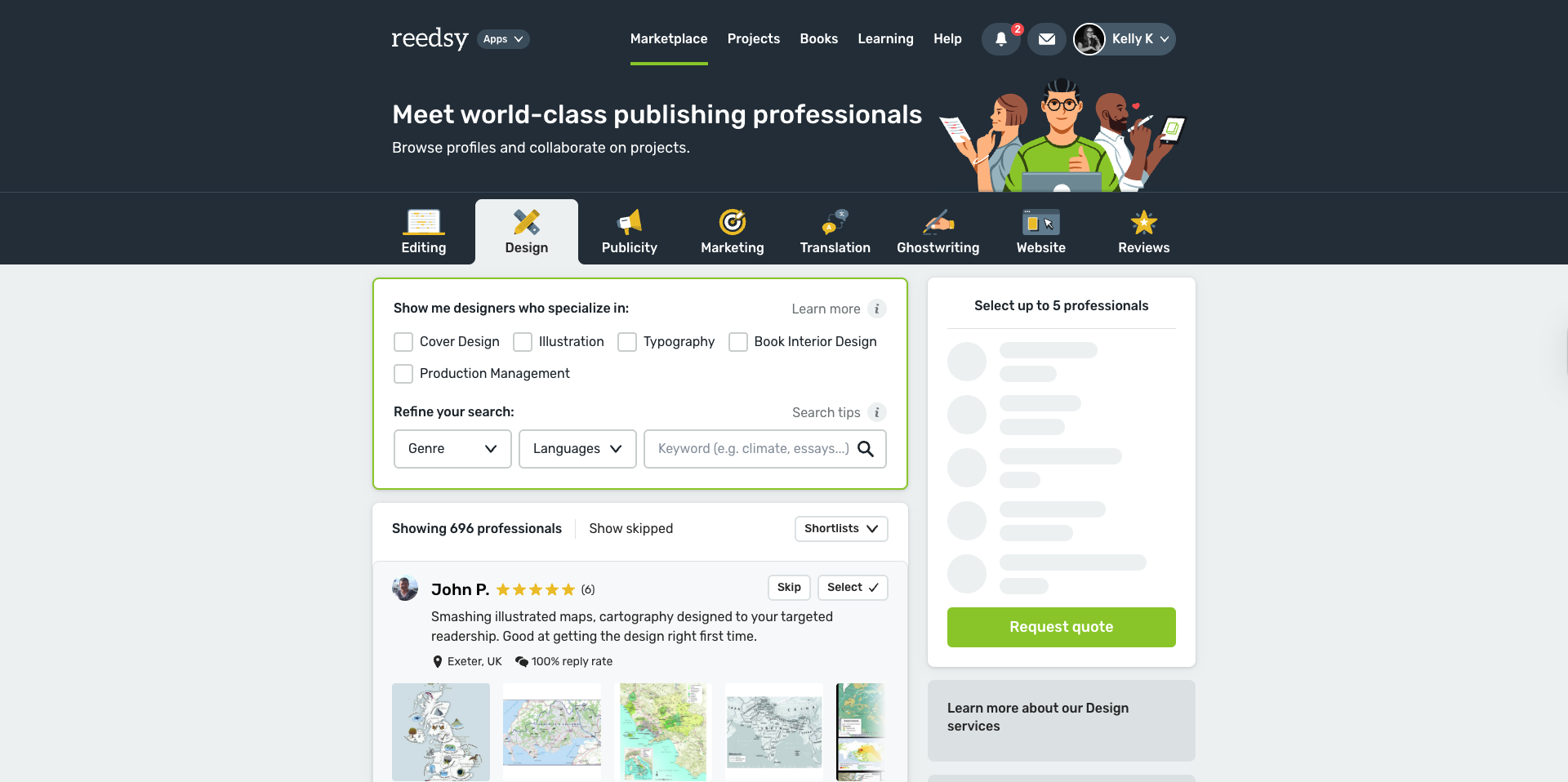
Working with professional designers who have experience in publishing can make a significant difference. Platforms like Reedsy connect authors with vetted professionals who regularly work with traditional publishers and understand the standards your book is being compared against.
While investing in cover design can feel daunting, especially alongside editing and distribution costs, it’s one of the clearest indicators of how seriously a book will be taken. A strong cover attracts readers and supports reviews, bookstore pitches, and long-term discoverability.
In self-publishing, your cover does a lot of the talking for you. Make sure it’s saying the right things.
7. Early Reviews: The Engine of Discoverability
One of the biggest challenges self-published authors face is getting anyone outside their immediate circle to notice it. This is where early reviews become essential.
Reviews create visibility, credibility, and momentum long before your book officially launches. Without them, you’re asking readers, booksellers, and reviewers to take a leap of faith. With them, you’re showing proof that your book is already being read and discussed.
Early reviews help your book:
- Appear more credible to readers and booksellers
- Gain visibility on platforms like Goodreads, Storygraph, and Fable
- Build social proof before you actively promote it
- Support bookstore pitches and blog tour outreach
For indie authors especially, reviews act as a stand-in for the validation traditional publishers typically provide.
How an IBPA Membership Gives Access to More Reviews
Many indie authors struggle to access professional review channels because of cost. A yearly membership with the Independent Book Publishers Association (IBPA) helps lower that barrier.
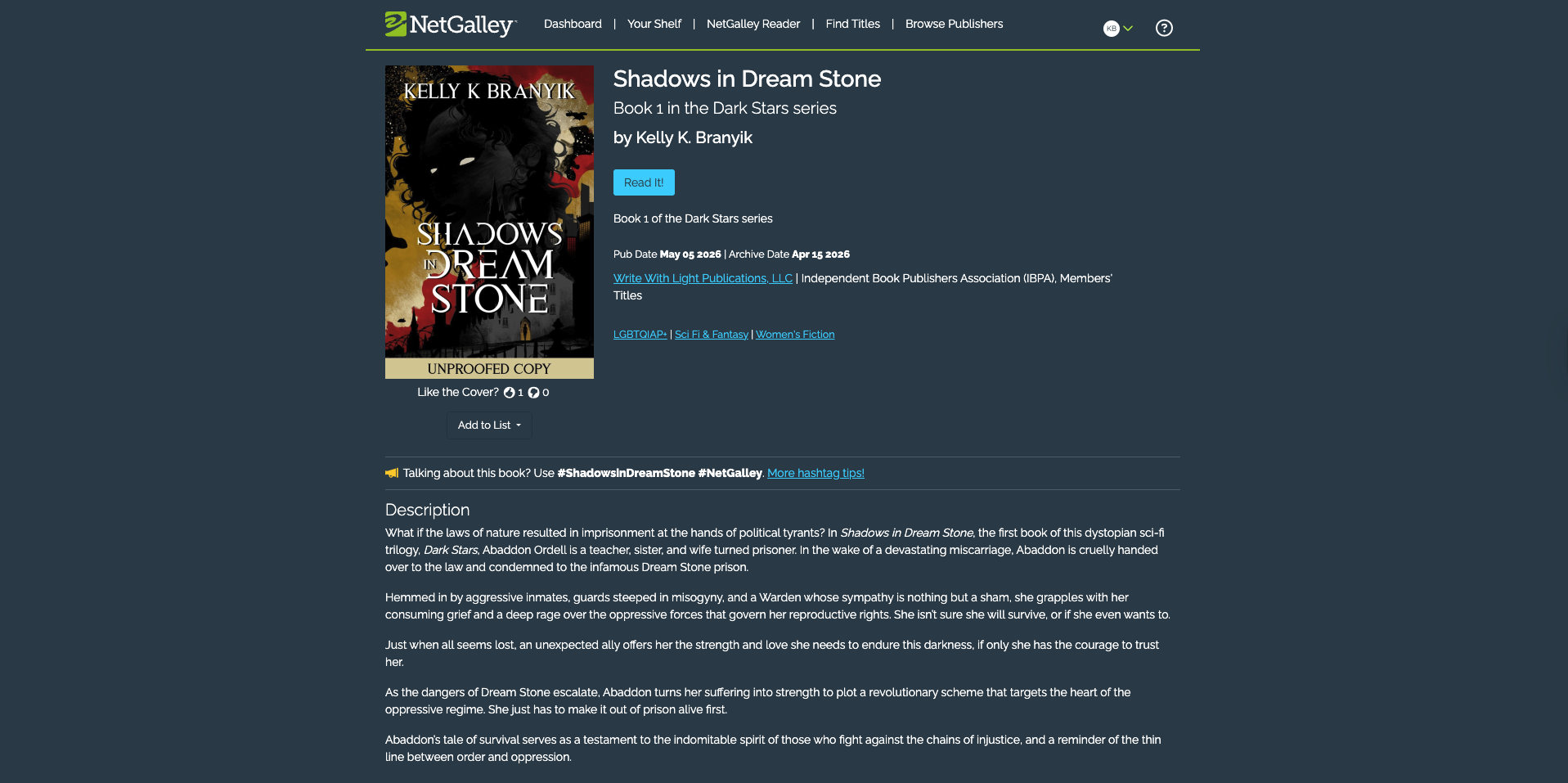
One of the most valuable benefits is discounted access to NetGalley, which is an industry-trusted review platform used by librarians, booksellers, educators, journalists, and professional reviewers. Through IBPA, indie authors can list their book on NetGalley for a fraction of the standard cost—around $299 rather than $499.
Using the IBPA NetGalley Access Strategically
NetGalley allows your book to be reviewed by people who actively seek out new titles. You’re not cold-pitching or begging for reviews. Reviewers opt in because they’re interested.
For best results:
- List your book at least 3–6 months before publication
- Make sure your manuscript is well edited before uploading
- Pair your listing with a strong description and professional cover
Reviews collected on NetGalley can later appear on Goodreads, StoryGraph, blogs, and social platforms, creating a ripple effect of visibility. Some reviewers may also link back to your website, which further supports discoverability and search visibility.
You may not love every review, and that’s okay. Honest reviews are far more valuable than universally glowing ones. They signal legitimacy, not perfection.
Early Reviews Build Momentum Without Selling
Early reviews allow your book to be talked about without you having to sell it directly. Others begin sharing opinions, reactions, and recommendations on your behalf.
That conversation creates momentum. And momentum, more than any single marketing tactic, is what helps books break through the noise and find their readers
8. Indie Bookstores Still Matter A LOT

In an era dominated by online sales, many indie authors assume bookstores are optional or irrelevant. In reality, independent bookstores still play a significant role in discoverability, credibility, and even bestseller status.
If your goal is long-term visibility and, if we’re so lucky, best-seller status, bookstores matter more than most authors realize.
How Indie Bookstores Influence Book Success
Many independent bookstores participate in national and regional sales reporting systems known as the American Booksellers Association (ABA). These systems track book sales across a network of influential stores and contribute to the data used to identify breakout titles and bestsellers.
Bestseller status is not determined by Amazon, although it is a factor. Broad sales across multiple respected indie bookstores—especially those with strong reputations—carry real weight in how a book is perceived and promoted within the industry.
For indie authors, this creates an important opportunity and bookstore placement can signal legitimacy.
Why Distribution and Reviews Come First
Before approaching bookstores, your book needs to meet a few non-negotiable criteria:
- It must be easily orderable through systems bookstores already use (like IngramSpark)
- It should have early reviews from credible sources
- It should have the proper wholesale discount (55%)
- It needs a strong cover and clear positioning
Bookstores are selective curators because shelf space is limited. Reviews help demonstrate that your book has already been vetted by readers, librarians, or reviewers, and that it’s worth consideration.
How to Build Relationships With Bookstores
Bookstore outreach works best when it starts early and feels genuine. Following bookstores on social media, engaging with their content, and supporting their events helps establish familiarity long before you pitch your book.
When the time comes to reach out:
- Share your book’s description and key details
- Include early reviews or notable feedback
- Explain why the book would resonate with their audience
- Offer them the opportunity to review it themselves
This approach respects the bookstore’s role as a tastemaker rather than treating them as a sales channel.
Being stocked in multiple respected bookstores, especially across different regions, demonstrates reach. It shows that your book appeals to readers beyond a single platform or geographic area. That breadth can influence how your book is discussed, recommended, and remembered.
9. Blog Tours, Backlinks, and Online Authority

Once your book has strong foundations, the next step is expanding the conversation beyond your personal platforms. This is where blog tours and online reviews become incredibly powerful.
What a Blog Tour Actually Is
A blog tour involves partnering with bloggers, reviewers, influencers, or online publications who read your book and share their thoughts on their own platforms. These may include:
- Written reviews
- Feature posts or interviews
- Social media spotlights
- Reading roundups or recommendation lists
Some of these creators have modest followings; others reach thousands—or tens of thousands—of readers. Both are valuable. The goal is distribution of conversation.
Why Blog Tours Matter for Discoverability
Every time someone writes about your book and links back to your website or sales page, it creates a backlink. From a search visibility standpoint, backlinks signal online credibility and authority in search engines like Google. Over time, this helps your website, and your book, become easier to find through search engines.
Beyond SEO, blog tours:
- Introduce your book to audiences you don’t already have
- Provide third-party validation
- Create long-lasting content that continues to circulate
Unlike social posts that disappear quickly, blog reviews can surface months or even years later when readers search for similar books.
Authority Builds Opportunity
Online authority matters not just for sales, but for your long-term career as an author. Agents, publishers, and booksellers often look for authors who already have momentum and are being talked about outside their own platforms.
When your book appears across blogs, review sites, and curated lists, it shows that your work resonates beyond your immediate circle. That visibility can open doors later, even if you plan to remain independent.
Blog tours also shift the spotlight away from self-promotion. Instead of telling people why they should care about your book, you’re allowing others to share their experiences with it.
That kind of organic conversation builds a trust that ultimately moves readers from awareness to action.
10. Create A Pitch Package (Even If You’re Going Indie)

Even if you have no immediate plans to pursue traditional publishing, creating a pitch package is one of the most valuable exercises you can do as an indie author. It forces clarity, sharpens your messaging, and ensures you’re always ready when opportunities arise.
A strong pitch package helps you clearly articulate:
- What your book is about
- Who it’s for
- Why it matters
- How it fits into the current market
This clarity becomes incredibly useful when you’re pitching to bookstores, reviewers, bloggers, event organizers, or media outlets. Instead of scrambling to explain your book differently every time, you have a cohesive, well-thought-out narrative ready to go.
Just as importantly, the process of building a pitch package helps you understand your own book more deeply. It reveals what’s working, what’s unclear, and where your messaging might need refinement.
If you have a pitch package already, Stephanie Butland, the accomplished UK-based author of The Lost for Words Bookshop, offers pitch package reviews.
Having experienced authors, editors, or mentors review it can surface blind spots and strengthen your positioning before your book is widely visible.
What to Include in a Pitch Package
At a minimum, your pitch package should include:
- A clear, compelling logline
- A concise synopsis
- An author biography
- A defined target audience
You may also choose to include comparable titles, thematic notes, or talking points depending on how you plan to use it. The goal is to make your book easy to understand and easy to advocate for.
11. Three Optional Steps That Could Help With Book Launch

With major foundations in place, there are a few additional steps that can significantly strengthen a book’s launch. These aren’t always required, but in the right situations, they can make the difference between a book quietly releasing and one that truly resonates.
1. Sensitivity Readers and Beta Readers
If your book explores sensitive themes, marginalized identities, trauma, political systems, or lived experiences outside your own, sensitivity readers can be invaluable. They help ensure authenticity, accuracy, and care.
Beta readers represent early, engaged readers who can identify pacing issues, confusion points, or emotional disconnects before the book reaches reviewers. Together, these readers help catch problems that might otherwise surface publicly, where they’re harder to address.
While these steps require additional time and cost, they can protect your book, and your reputation, from avoidable missteps.
2. Strategic Partnerships and Creative Collaborations
Another way to expand visibility is by partnering with creators who already have established audiences. This might include:
- Artists or illustrators who create character-inspired artwork
- Fan artists or designers who visually interpret your world
- Creators who build themed content inspired by books
Some examples include Pie Lady Books and Mads Schofield. Both are social media creators with larger followings and creative talents adjacent to the bookish space.
These collaborations introduce your book to new audiences and creates shareable, visually compelling content that extends beyond standard promotion.
3. Industry-Recognized Reviews
Some review outlets, like Kirkus Reviews, carry particular weight within the publishing industry. A strong review from Kirkus Reviews can help validate your book in conversations with bookstores, bloggers, and media outlets.
These reviews often come with higher costs and longer timelines, and they’re not guaranteed to be glowing. But when used strategically alongside NetGalley reviews, they can strengthen your overall case for visibility and placement.
Know When to Invest, and When to Pause
Not every book needs every possible step. The key is discernment. Ask yourself:
- Does this step improve the reader’s experience?
- Does it increase credibility or discoverability?
- Does it align with the audience I want to reach?
Publishing independently means making informed choices, not checking every box. The right additional steps are the ones that support your book’s message, audience, and long-term goals, not the ones taken out of pressure or fear.
12. Momentum is the Real Best-Seller Strategy

One of the most valuable pieces of advice we’ve heard about making your book successful came from a literary agent (and we’ll post their name once we remember who said it, sorry).
Bestsellers are created by momentum.
Momentum is what happens when your book keeps showing up in conversations, reviews, listings, and recommendations over time. It’s the result of steady visibility rather than a single launch-day push.
What Momentum Actually Looks Like
Momentum isn’t shouting “buy my book” every day. In fact, it’s usually the opposite.
It looks like:
- Your book being discussed on review platforms
- Bloggers and readers sharing their thoughts
- Bookstores stocking or recommending it
- Snippets, updates, and behind-the-scenes posts appearing regularly
- People encountering your book more than once, in different places
The more often someone sees your book mentioned the more likely it is to register. Familiarity builds trust. Trust lowers the barrier to picking it up.
Talking About Your Book Without Selling It
One of the most effective ways to build momentum is simply to keep talking about your book without asking for anything in return. Share:
- Progress updates
- Quotes or short excerpts
- Reader reactions or reviews
- Lessons learned during the publishing process
This kind of visibility invites curiosity and people are far more receptive to discovering a book than being sold one.
Yes, there will be moments when you directly ask for pre-orders, reviews, or support, and those moments matter. But they work best when they’re layered into an ongoing conversation, not used as the entire strategy.
Momentum Rewards Consistency
Momentum comes from repetition.
Authors who disappear between milestones often struggle to regain attention later. Authors who keep sharing, engaging, and participating in the ecosystem give their books multiple chances to be discovered.
Every step you’ve taken so far feeds into this single goal: keeping your book visible long enough for it to find its readers.
Momentum doesn’t guarantee a bestseller, but it can make your book hard to ignore.
Timeline Reality Check
Publishing isn’t fast.
While the uploading part can happen quickly, building real visibility, credibility, and momentum takes time, and rushing the process can undermine everything you’ve worked to build.
From the moment you finish your manuscript to the point where your book is meaningfully discoverable, a realistic timeline to publish is 12 to 18 months.
We know that’s a long time, but pay attention to how early movies are promoted. Avengers Doomsday, for example, was promoting the short trailer a year in advance.
So don’t wait in silence. Pace your work strategically.
Each major step in the publishing process has its own timeline:
- Editing happens in stages and often requires multiple rounds
- Cover design and revisions take time
- Securing an audiobook narrator mean months of waiting
- Distribution listings can take weeks to propagate across platforms
- Reviews need lead time—especially professional and industry reviews
- Bookstores and bloggers plan far in advance
When these steps are compressed, quality and visibility suffer. When they’re given room, they reinforce one another.
Build Your Book To Last
We hope this self-publishing guide serves as a long-term investment in your work, your visibility, and your credibility as an author. And again, momentum is your friend.
The books that reach beyond a small circle aren’t always the loudest or the fastest. They’re the ones built intentionally, with care given to distribution, editing, presentation, and sustained momentum.
When you treat your book like something worth taking seriously, you give it room to grow. Visibility is earned through consistency, not urgency. And while no strategy guarantees success, thoughtful preparation dramatically increases your chances of being discovered by the readers who are looking for exactly what you’ve written.